

An exchange's own purchase screen
Check the provider named at checkout, the currency, your bank or card's eligibility and the final crypto amount. An exchange can display a payment option that a particular Russian card or account cannot use.
Russia / crypto purchases
Choose a purchase service that accepts your identity and location, finish its verification, and check that the coin can leave on the network you need. A low advertised exchange rate is little help if withdrawals are unavailable or the seller asks you to pay outside the order.
With P2P, you pay another person through a platform order. The order, verified payment identity and actual bank transfer must describe the same deal. Keep those three together.
Check the provider named at checkout, the currency, your bank or card's eligibility and the final crypto amount. An exchange can display a payment option that a particular Russian card or account cannot use.
Read the seller's payment conditions before opening the order. Use your own bank account, the payment details attached to that order and the platform's order chat. A stranger's cheaper offer on Telegram is a separate transaction.
Read the conversion and transfer contract attached to the account. For example, Altyn restricts crypto transfers to and from user-owned wallets. Antarctic Wallet prohibits gambling activities. Neither should be treated as an unrestricted casino payment source.
Open the external withdrawal screen for the exact asset. You need the required blockchain, an available withdrawal service, a usable minimum and a fee you can afford. Being able to buy USDT does not mean you can withdraw USDT on every network.
Complete the account's identity checks before putting money into it. Bybit requires at least Standard identity verification for its products; KuCoin requires verification for new users; MEXC also requires KYC for platform access and withdrawals. Account eligibility and the permitted purpose of a payment still matter after verification. Exchange conditions for Russian users separates these questions.
If the purchase is for a casino deposit, copy its current coin and network instruction first. The sender's terms must allow the intended use. Moving funds through a personal wallet does not remove a provider's prohibition.
| Purchase quote | Crypto bought | Deducted withdrawal fee | Amount sent onward |
|---|---|---|---|
| 5,000 RUB | 50 USDT | 1 USDT | 49 USDT |
| 5,100 RUB | 51 USDT | 3 USDT | 48 USDT |
The second quote buys more tokens but costs more rubles and leaves fewer tokens after withdrawal. Include any separate bank, conversion or wallet-transfer cost when comparing your actual offers.
Compare the recipient name with the seller's verified payment identity and the order's requirements. If the seller redirects you to an unrelated person's card or account, pause the payment. Ask through the order's own chat before sending anything.
Check its asset, amount, payment method, reference and time limit. Do not divide the money among accounts or send an extra transfer because a private message says the order needs it.
A friend or relative paying for you can create a third-party payment dispute. The account and payment identity should meet the platform's rules.
Read the order conditions and messages there. Someone who asks you to continue on WhatsApp or Telegram can move the agreement away from the record support can examine.
Save the transfer receipt and payment reference from your own bank. An order screenshot alone does not establish that you paid the correct recipient. Keep the originals private.
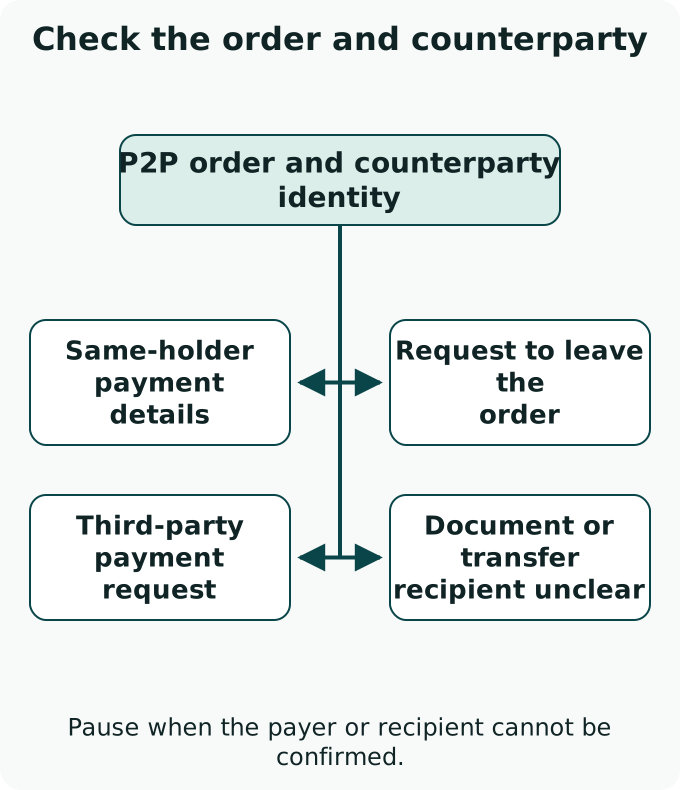
Use the platform's paid confirmation only after making the actual payment. If the crypto has not been released, follow the order's displayed appeal procedure. Give support the order ID, transfer reference, actual recipient and the relevant messages. Do not accept a mutual cancellation merely because the other person calls it a required support step.
If you sent to the wrong recipient or paid outside the platform order, contact your bank and the platform promptly with the actual facts. Recovery depends on the payment circumstances; support or the bank may be unable to return the money. Avoid anyone offering recovery in exchange for another transfer, a remote-access session or your wallet recovery phrase.
When you later sell crypto through P2P, the direction changes: you are the person waiting for bank money. Check the real balance and transaction in your own bank before releasing crypto. A screenshot, email or SMS supplied by the buyer can be false. This seller-side check does not replace the buyer's correct-payment checks above.
Check that the bought asset is credited and available for withdrawal. Save the purchase or P2P order, ruble payment, account statement, conversion amount and withdrawal record together. These explain where the crypto came from if a later provider asks.
For a self-custody wallet, also check the fee resource for the next send. A token balance alone may not pay the blockchain cost. Then follow the first deposit workflow with the current destination instruction, recipient amount and any memo.
No. Identity approval, payment-provider availability, card-issuer acceptance and crypto withdrawals are separate checks. Use the payment and withdrawal options offered to your actual account.
No. It separates the identity, payment and asset records and can breach the service's account rules. Use an account and payment method you are entitled to use.
A history of trades can help you assess a seller, but it does not make changed payment details, outside messages or post-payment cancellation safe. Check the specific order you are paying.
Check the account before funding it
Know who controls the funds and how a send works
Keep the bank payment and crypto purchase connected