

The deposit is missing
Separate a failed authorization from a completed payment that has not been credited.
Trace the depositCasino guides · Practical player workflows
Money left your bank but never reached the casino. A withdrawal says paid but your wallet is empty. The next action depends on where the process stopped. Choose the symptom first; use the regional guide when the bank, payment system or complaint route changes the answer.
Separate a failed authorization from a completed payment that has not been credited.
Trace the depositIdentify the operator queue, document review or payment-delivery stage before cancelling the request.
Locate the pending stepWork from the exact rejection reason and the acceptable replacement, rather than uploading the same file repeatedly.
Fix the document requestConnect the deduction to its stated clause, relevant round and bonus status.
Examine the disputed rule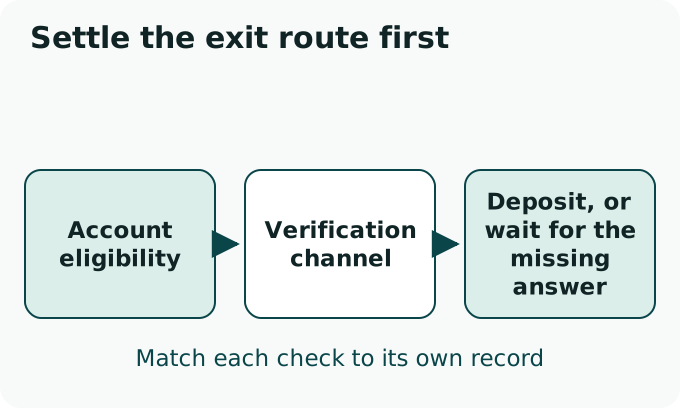
Deposits
Compare the account country, cashier, withdrawal limits and documents before accepting a promotion. The check follows the payment you actually plan to use.
Make the pre-deposit check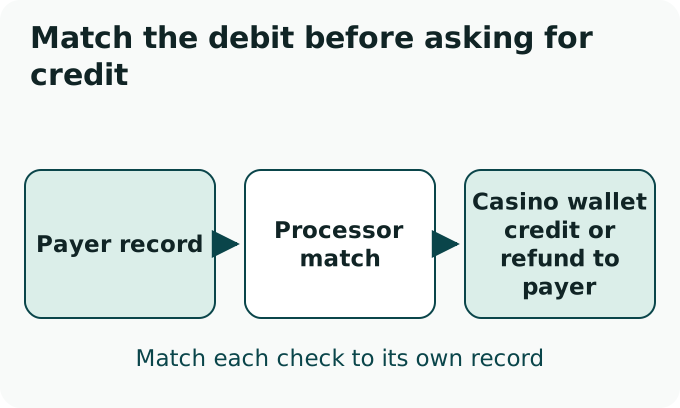
Deposits
Reconcile the sending account, payment reference and casino deposit history. Identify the evidence needed to locate a completed but uncredited payment.
Trace the missing credit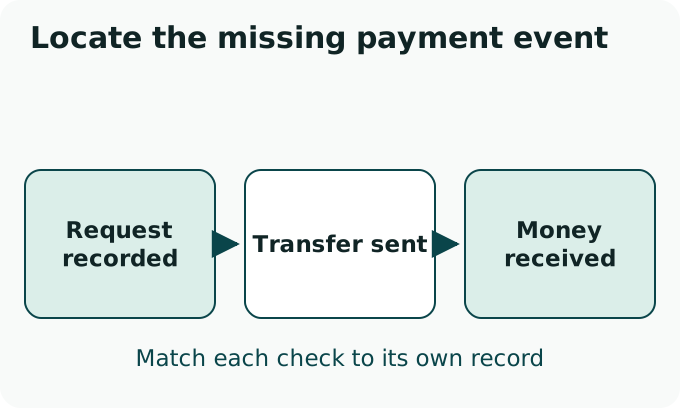
Withdrawals
Separate a queued request from verification, approval and delivery. Keep one reference while asking the team responsible for the step still open.
Diagnose the withdrawal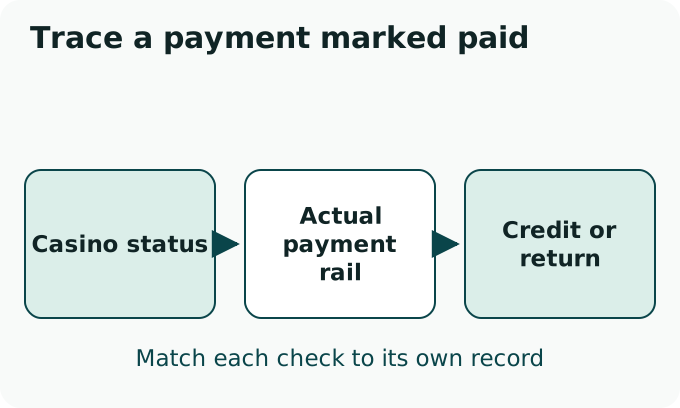
Withdrawals
Compare the operator's status with a transfer reference and the receiving record. Approval, dispatch and receipt are separate events.
Reconcile the paid status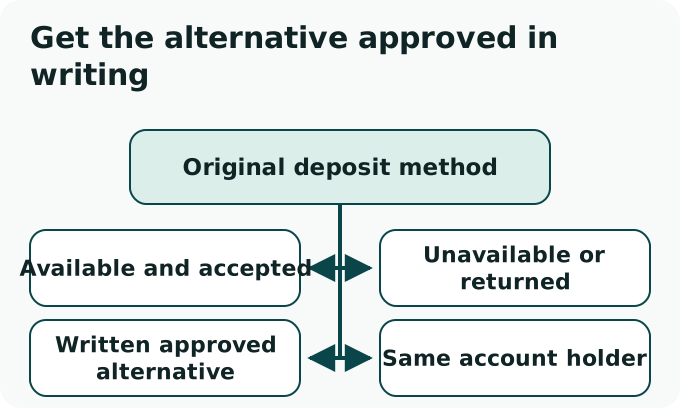
Withdrawals
Find which payment route the account supports and why a request was returned. Preserve the cancellation reason before choosing a different method.
Resolve the method mismatch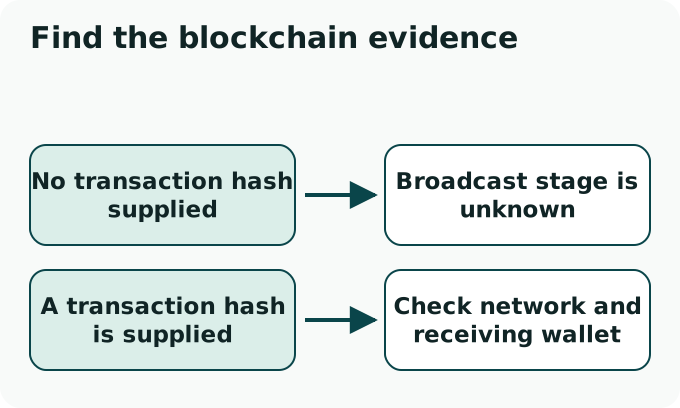
Withdrawals
Use the withdrawal reference, transaction hash and receiving address to distinguish operator processing from blockchain delivery.
Trace the crypto cashout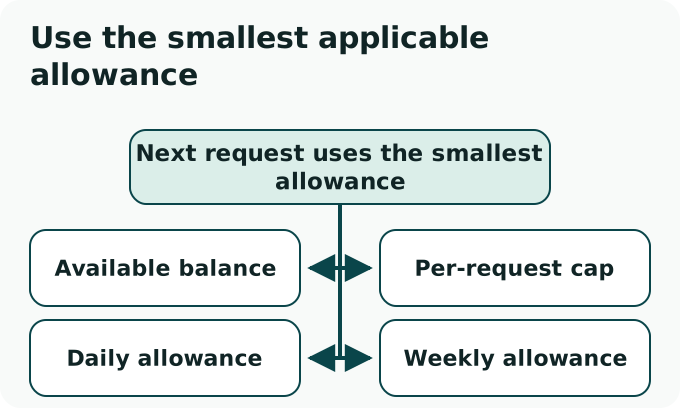
Withdrawals
Compare daily, weekly and monthly limits with method and status rules. Keep a cashier limit separate from a cap on bonus winnings.
Calculate the payout windows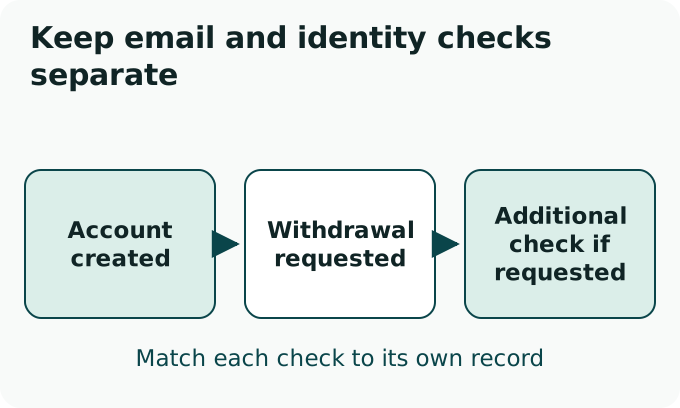
Verification
Identify the identity and payment-ownership checks attached to the account. A verified profile may still leave a different withdrawal check open.
Check the verification stage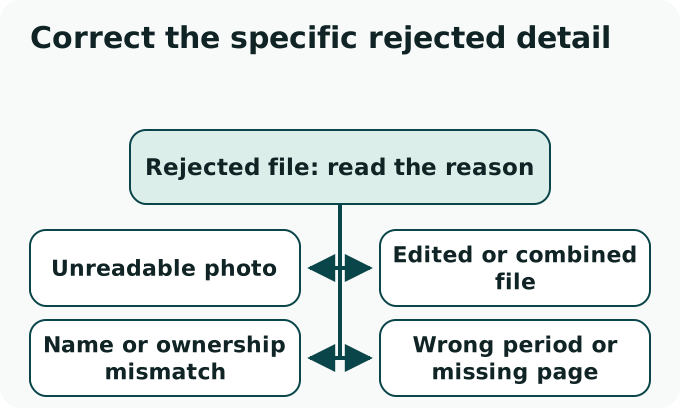
Verification
Separate an unreadable file, missing information and an unsupported document. Ask for the exact acceptable substitute through a secure channel.
Respond to the rejection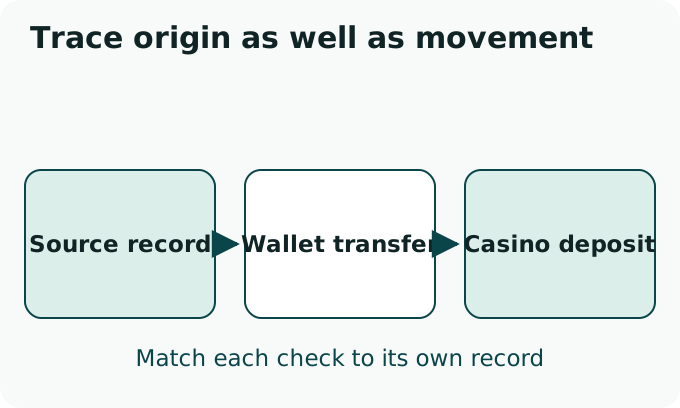
Verification
Connect acquisition records to the exchange or wallet transfer. Identity proof and the origin of the particular deposit answer different requests.
Build the acquisition trail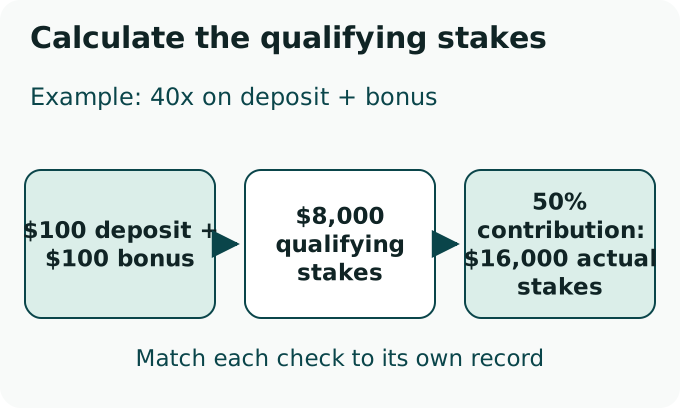
Bonuses
Turn the wagering multiplier, contribution and cashout cap into a usable comparison. A larger starting balance can require more eligible play before its winnings become withdrawable.
Calculate the offer's cost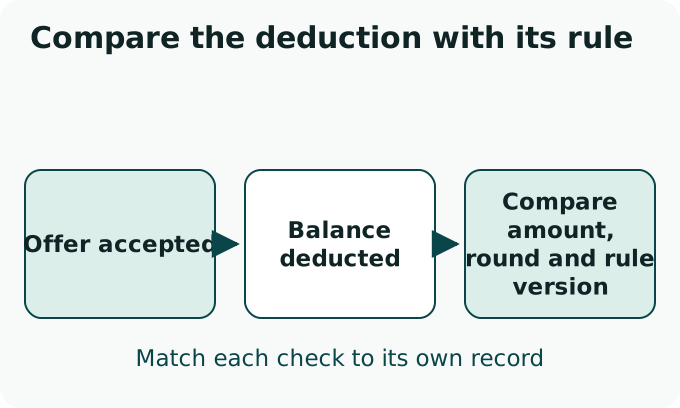
Bonuses
Find the rule, round and active bonus state behind the operator's decision. Preserve the relevant bet history and the terms accepted for that offer.
Prepare the factual reply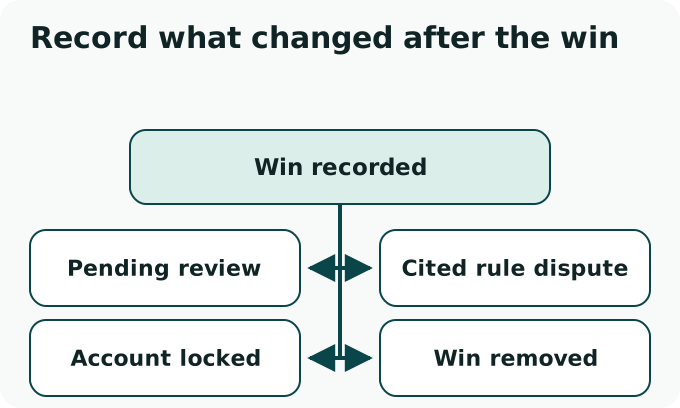
Complaints
Keep the balance, bet record and written reason for review together. Distinguish a payout cap from an allegation about account or game conduct.
Preserve the disputed win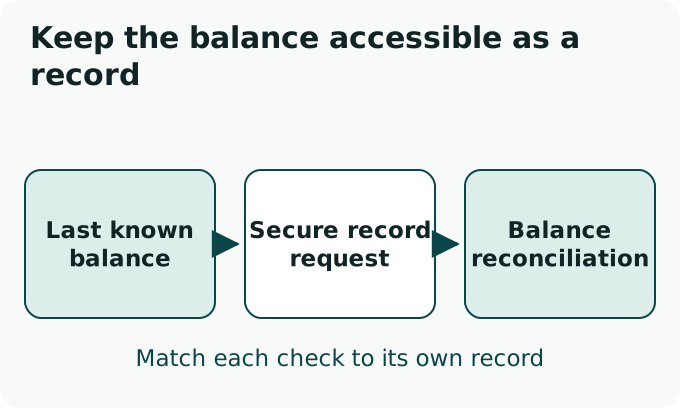
Complaints
Preserve the last accessible account record and request a secure route for documents or a written decision. Losing login access changes how you gather evidence.
Handle the access restriction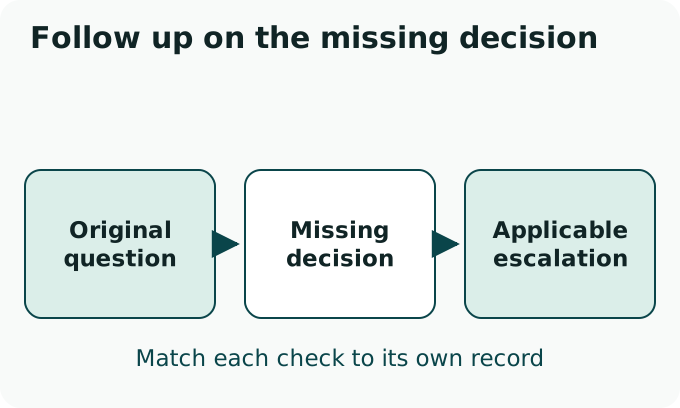
Complaints
Give the operator one dated record and one unanswered question. Separate an escalation request from another copy of the same chat.
Prepare the escalation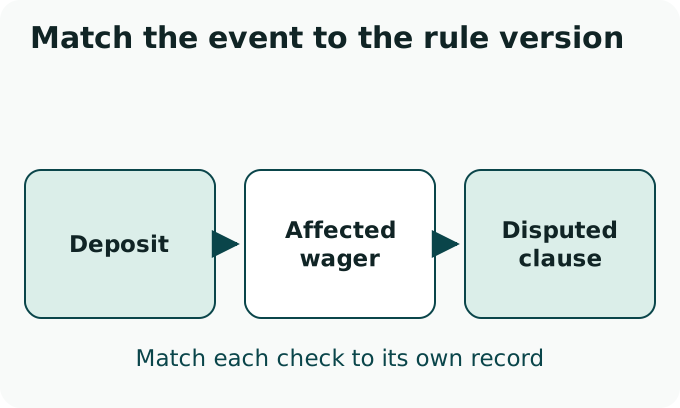
Complaints
Compare the dated offer and terms with the deposit and disputed decision. Identify the version and clause the operator says applied.
Compare the terms record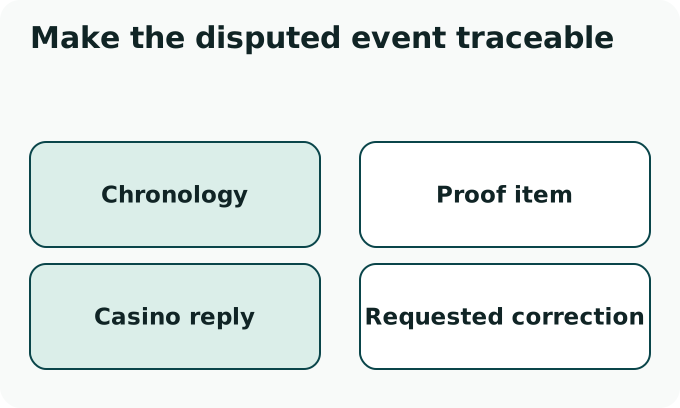
Complaints
Build a short chronology around the specific amount, decision and remedy. Keep private identity details out of the public evidence.
Assemble the complaint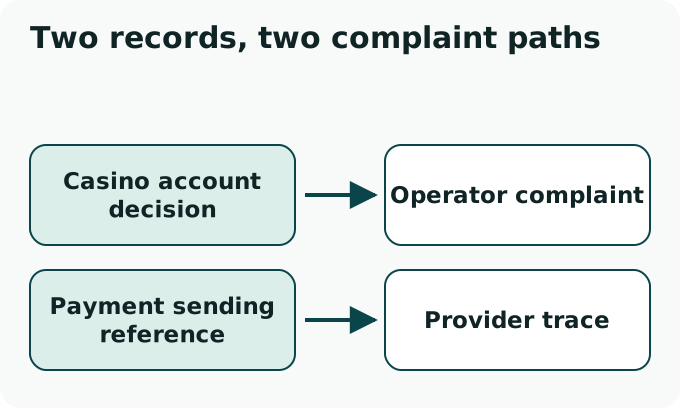
Complaints
Identify the legal entity and complaint route relevant to the dispute. A payment-provider question and an operator-terms question may need different recipients.
Find the complaint route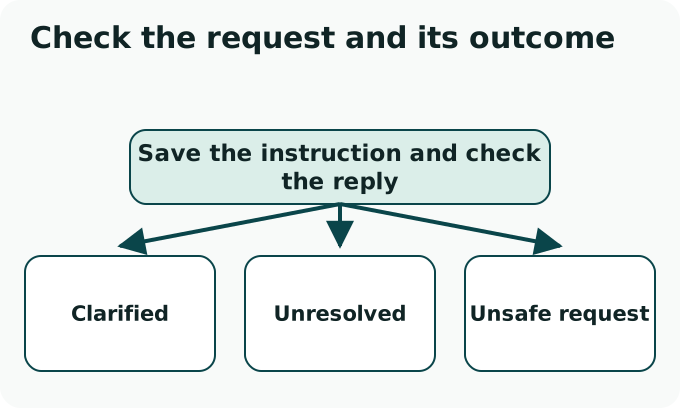
Deposits
Examine a copied identity, unexplained payment demand or contradictory terms before depositing. A recognizable logo alone does not identify the operator.
Check the warning signs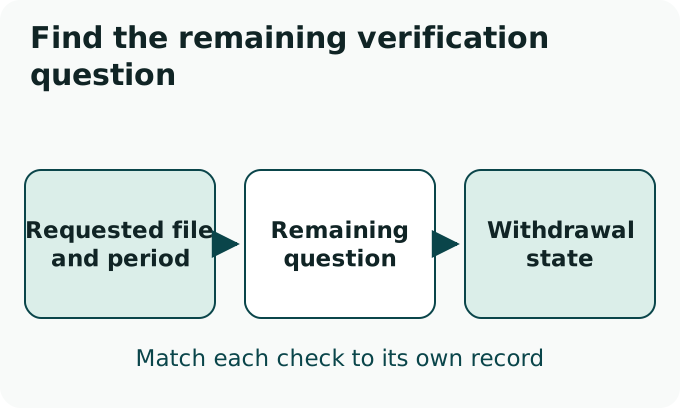
Regional
Separate identity, affordability and money-origin questions in the notice. Follow the specific licensed operator's process and the relevant complaint route.
Read the UK workflow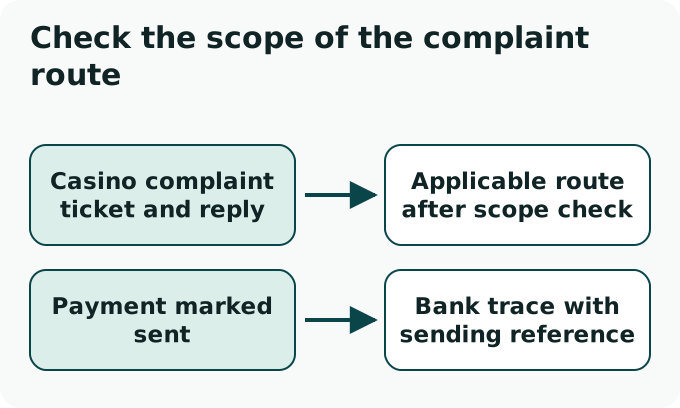
Regional
The country in your address and the casino's licensing entity may point to different procedures. Match the complaint to the scheme that can accept it.
Compare European complaint routes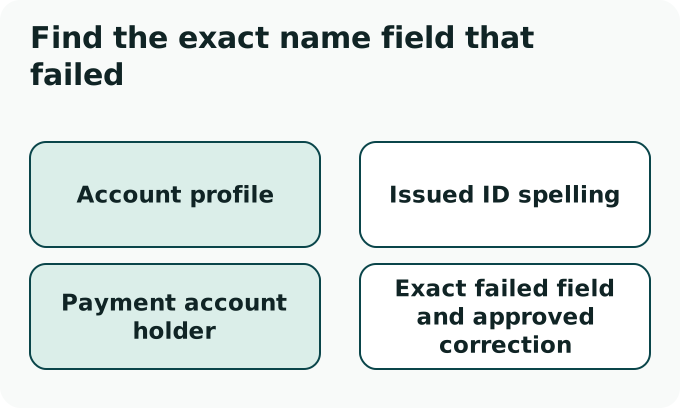
Regional
Work through transliteration, spelling and payment-account ownership. Ask which name record needs correction before sending another document set.
Resolve the name mismatch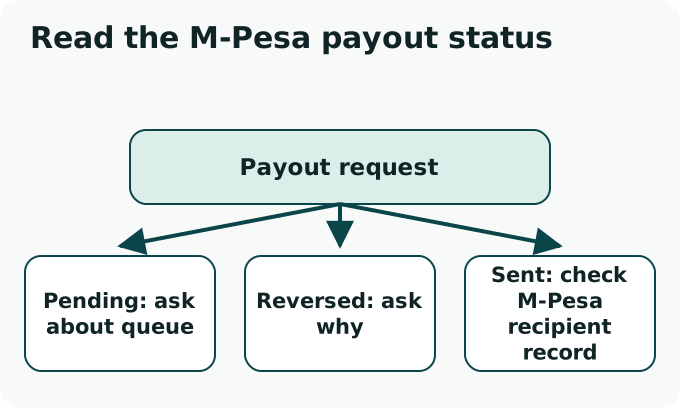
Regional
Distinguish a request still inside the operator from one sent to the mobile-money rail. Keep the payout and receiving-side references together.
Trace the Kenya cashout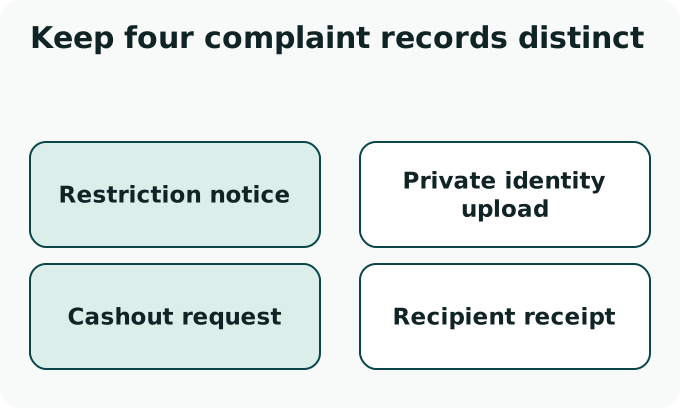
Regional
Bring the payment and identity record into one chronology. Match the receiving account and disputed request before choosing an escalation route.
Build the Nigeria record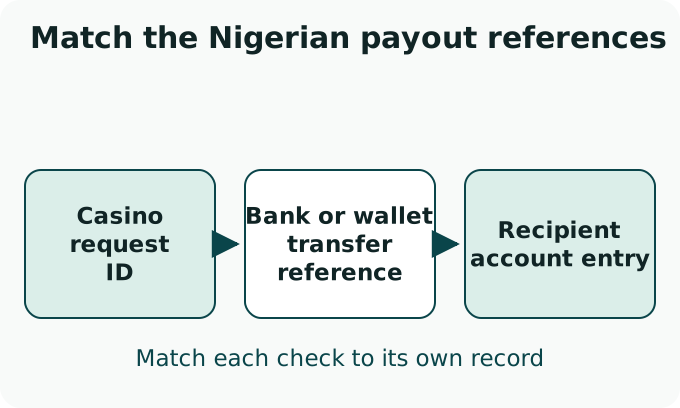
Regional
Compare the operator's request status with the bank or payment-channel record. The evidence differs for a queued request and a dispatched transfer.
Trace the Nigeria cashout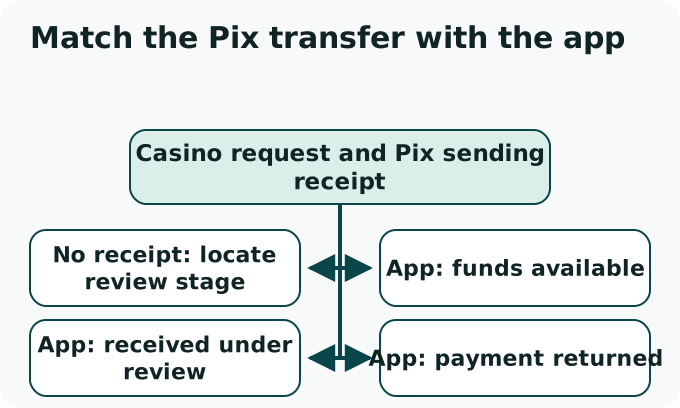
Regional
Check the account match and the operator's payout record before treating a missing credit as a Pix failure. Follow the stage that has a reference.
Trace the Pix payout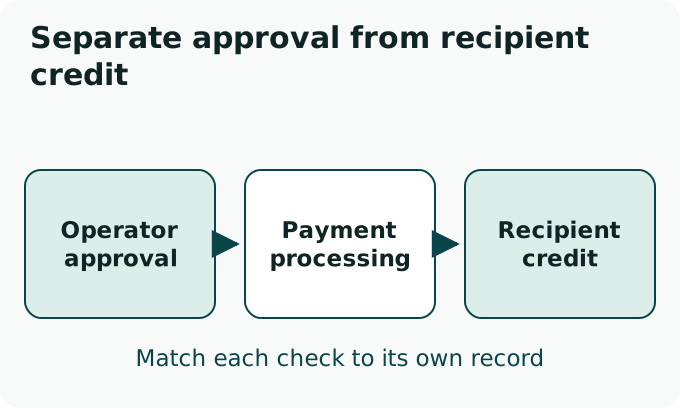
Regional
Identify the outstanding operator check and the payment reference if funds were sent. Use the locally relevant complaint path for the licensed entity.
Read the South Africa workflow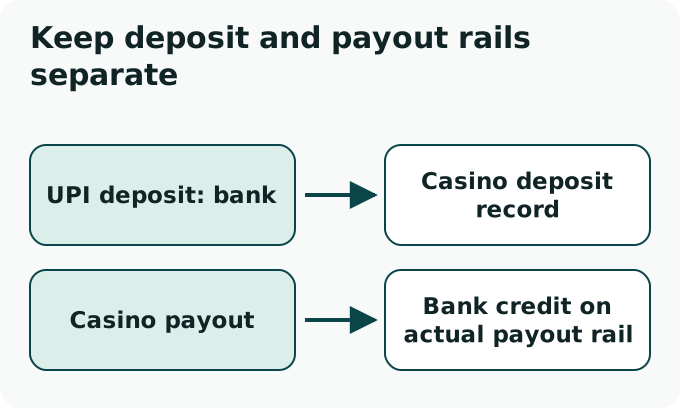
Regional
Separate casino processing, beneficiary details and receiving-side evidence. A payment problem needs the route used by the specific request.
Triage the India cashout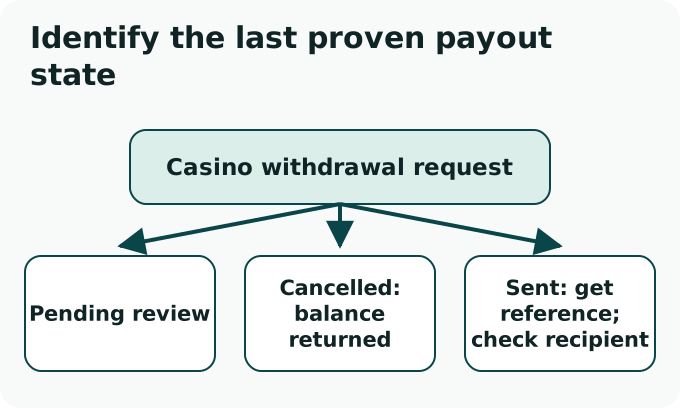
Regional
Keep operator processing separate from a card or bank restriction. The status of the payout and the bank's notice answer different questions.
Trace the Russia cashout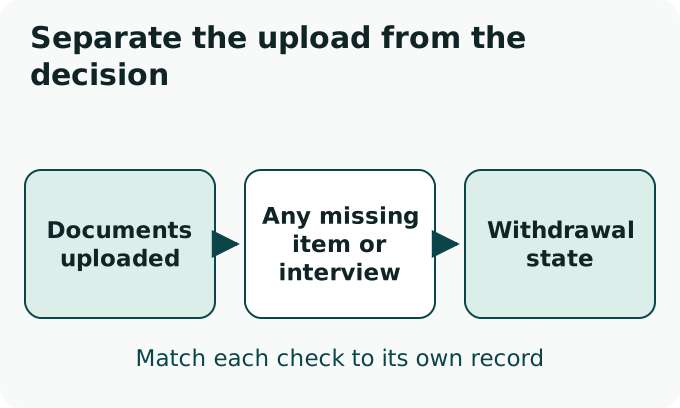
Regional
Record which document was requested and what remains unanswered. A repeat request needs a specific reason before another upload helps.
Follow the verification trail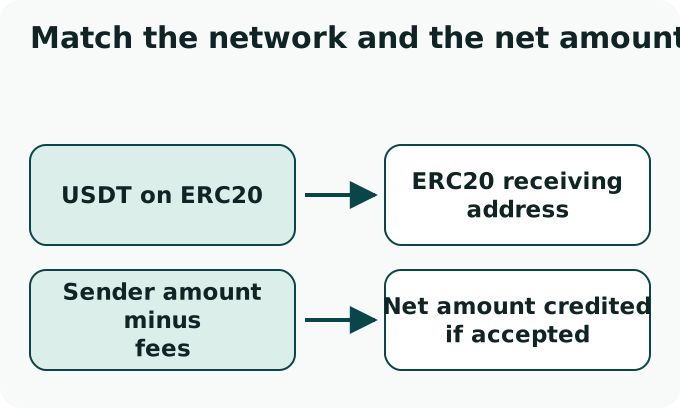
Crypto funding
Compare the sending network with the casino's receiving instructions. A matching coin ticker alone does not establish a compatible transfer.
Check networks and fees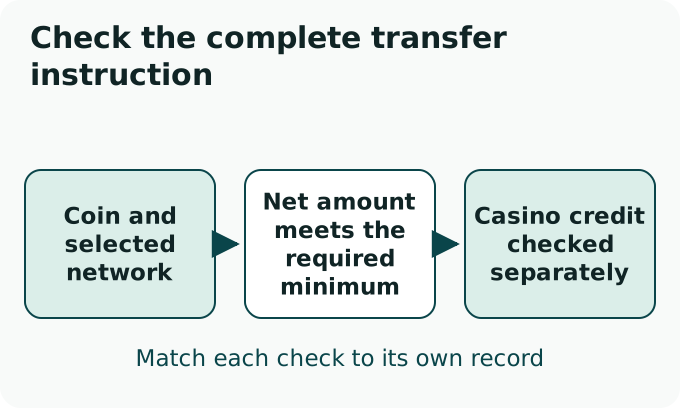
Crypto funding
Follow the purchase, withdrawal, network and casino-credit steps as separate transactions. Check account eligibility and the receiving instructions before buying.
Read the first-deposit workflow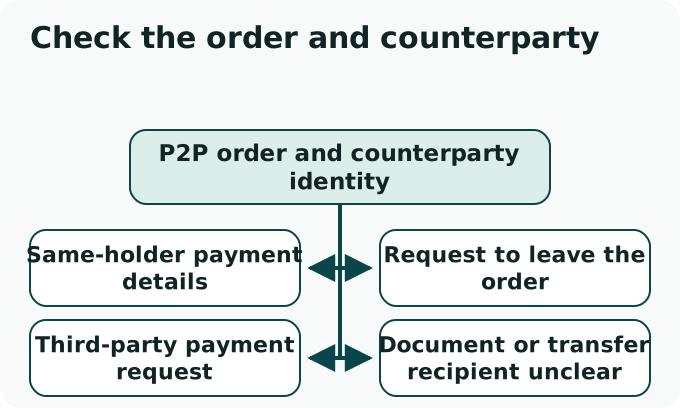
Crypto funding
Compare the seller or platform, account restrictions and delivery conditions. Unsolicited wallet or recovery offers need a separate identity check.
Assess the purchase route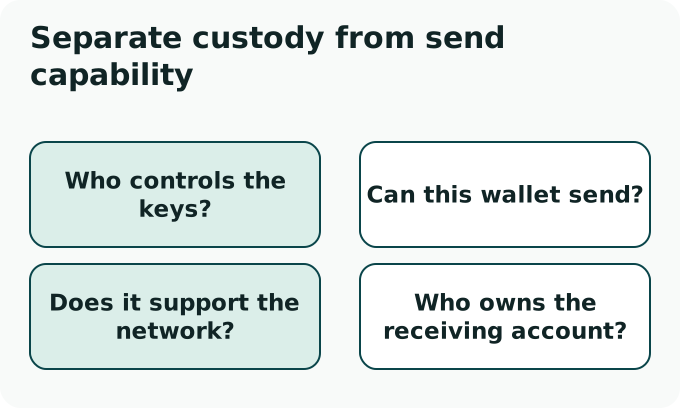
Crypto funding
Compare custody, account eligibility and the networks supported at both ends. A wallet choice should fit the particular receiving address and payment task.
Compare wallet requirements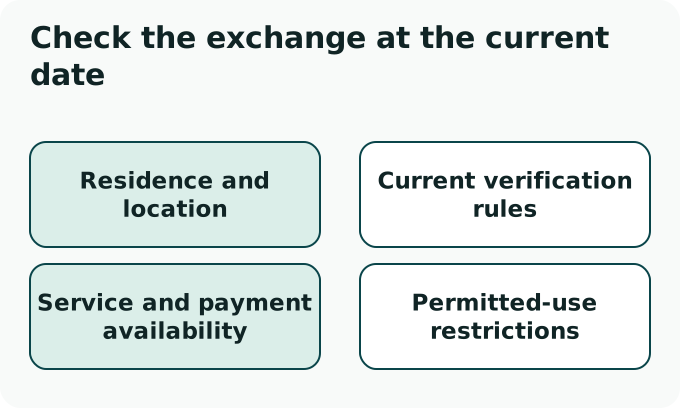
Crypto funding
Review residency, identity and funding restrictions alongside withdrawals. An accessible website does not establish that the account or payment route is available to you.
Check the exchange requirements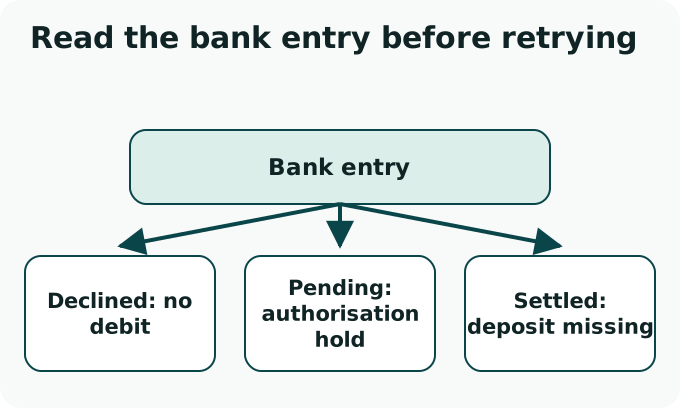
Russia
Distinguish a declined authorization, a reserved amount and a completed payment. Keep the bank's status and casino deposit history together.
Triage the failed card deposit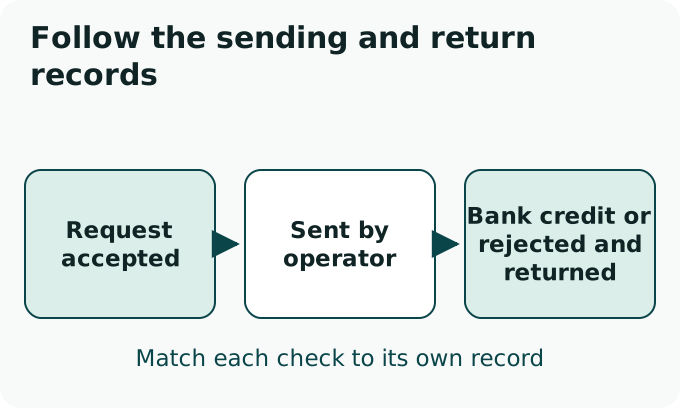
Russia
Find whether the operator, payout route or receiving account rejected the request. Preserve the exact return reason before selecting a different supported method.
Trace the card payout problem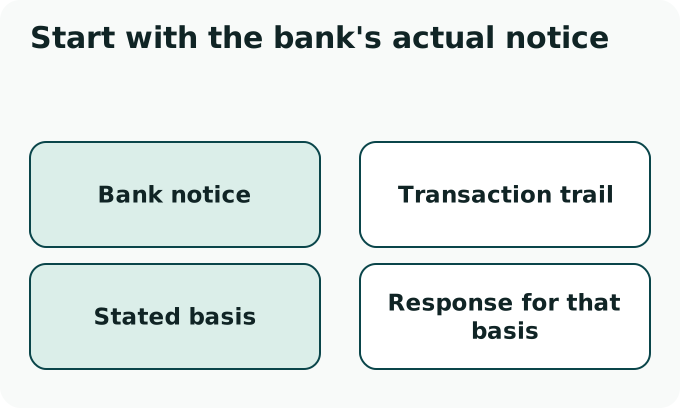
Russia
Identify the stated legal basis and the transaction records requested. A card restriction and a casino's pending request need different responses.
Identify the bank's request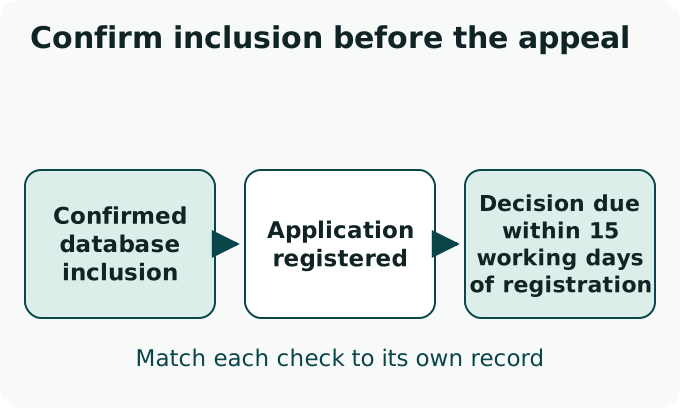
Russia
Work from the bank's specific notice and the relevant database-entry process. Keep the appeal evidence and the requested remedy precise.
Read the appeal workflow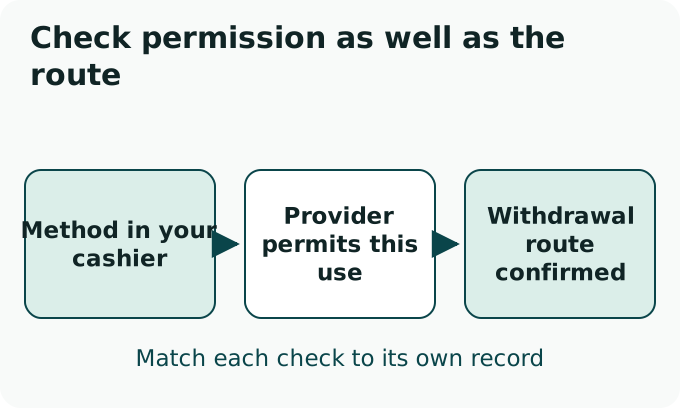
Russia
Match each candidate's eligibility, costs and withdrawal conditions to the casino cashier. A route that can send money may still be unsuitable for the account.
Compare non-card requirements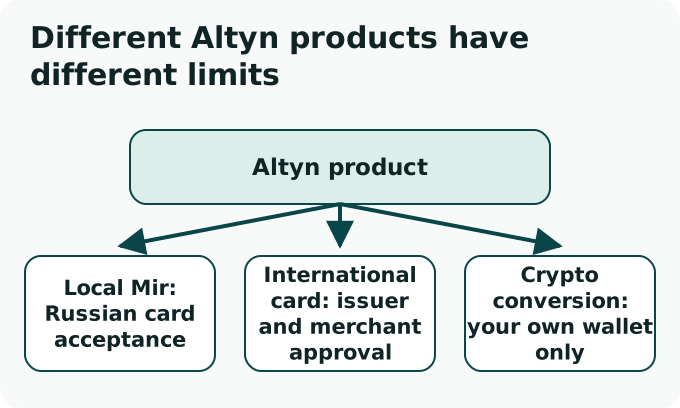
Russia
Examine the product, account restrictions, fees and the named casino's receiving instructions. A wallet service and a supported casino deposit are separate questions.
Check the Altyn payment path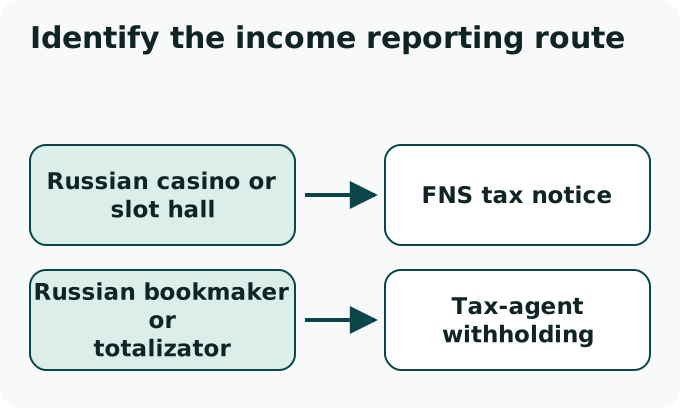
Russia
Separate the operator and winnings category before applying a rule. Keep the payment records relevant to the particular tax question.
Read the scoped tax guide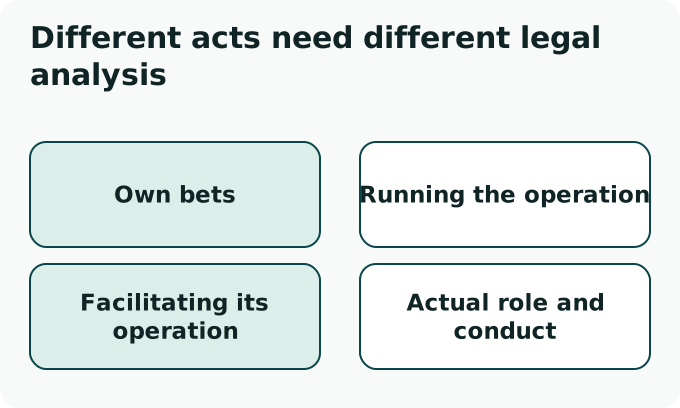
Russia
Read the scope of the cited legal provisions instead of treating every casino-related action as the same activity.
Read the player-liability guide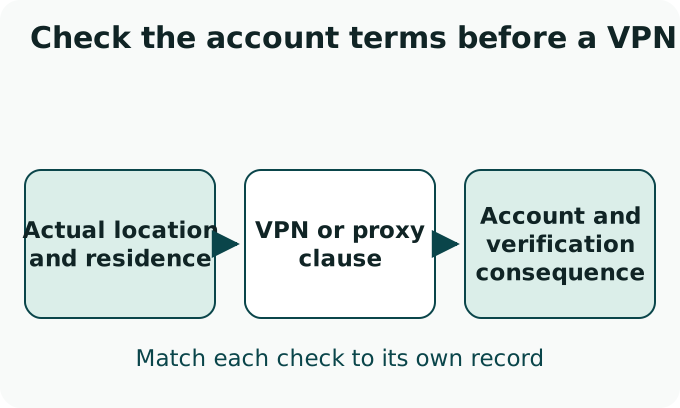
Russia
Compare residency, access and account terms before assuming a successful connection gives permission to play or withdraw.
Read the account-terms check
Russia
Assess the account, payment and withdrawal conditions relevant to a Russian resident. A page loading in a browser is only the first part of that comparison.
Open the regional comparison
Russia
Read the operator dispute alongside the local payment issue. An unresolved case is a particular record, not a verdict on every Russian player's account.
Open the regional case guideNo matches. Try a different topic or clear the filters.
Wagering, cashout, KYC, source of funds and player language.
See allegation, reply and mediation outcome separately.